
Books
These are the books that shaped how I lead.
Every skill has literature, and someone has already spent years making every mistake you're about to make and writing it down. It's surprising how many people have a passionate career but have never read a book on the actual craft of what they do. No surgeon skips the research, but in engineering, leadership, and management we somehow decided that trial and error is the standard approach. The key is humility. You are one person with one career; the books on this shelf represent thousands of people thinking carefully about the same problems over decades. Believing you already know more than that accumulated thinking isn't confidence, but hubris.
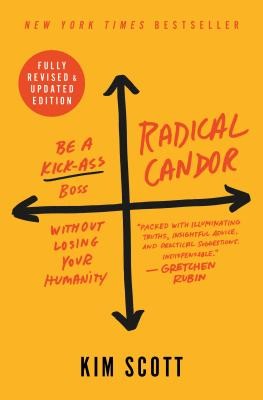
Radical Candor
Kim Scott
This book gave me a framework for something I always believed but couldn't articulate. Caring about people and holding them to a high bar aren't in conflict. The idea of 'ruinous empathy' was a gut check. I've seen too many managers avoid hard conversations because they think they're being kind, when really they're holding people back. This is the book I recommend to every new manager.
Find this book
Peopleware
Tom DeMarco & Timothy Lister
Most leadership books focus on process. This one focuses on people and environments, the stuff that actually determines whether a team ships great work. The sections on office interruptions and 'flow' completely changed how I think about protecting my team's time. It's decades old and still more relevant than most modern management books.
Find this book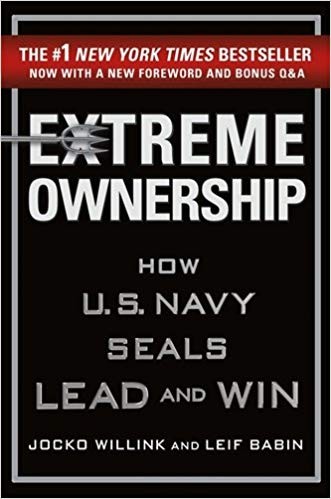
Extreme Ownership
Jocko Willink & Leif Babin
The core message is simple: leaders own everything. No excuses, no blaming the team, no blaming circumstances. What made this click for me wasn't the military stories. It was applying it to moments where I'd instinctively wanted to point fingers. Once you internalize that, it changes how you show up in every meeting and every retro.
Find this book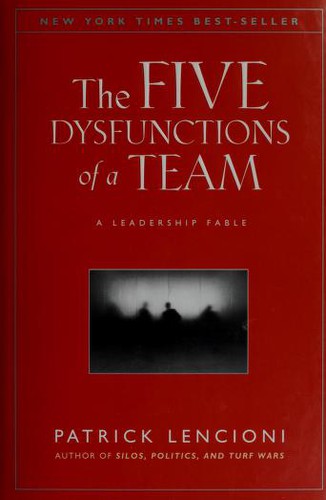
The Five Dysfunctions of a Team
Patrick Lencioni
Lencioni nails the root cause of most team problems: absence of trust. Fear of conflict, lack of commitment, avoidance of accountability, all of it cascades from there. I've used this model to diagnose team issues more times than I can count. The fable format makes it a quick read, but the pyramid stays with you.
Find this book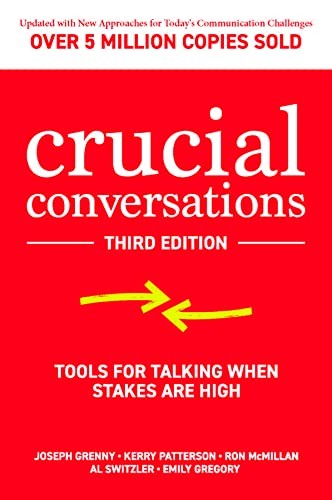
Crucial Conversations
Kerry Patterson, Joseph Grenny, Ron McMillan & Al Switzler
Every leadership failure I've seen, including my own, traces back to a conversation someone avoided or handled poorly. This book gives you the tools to stay in dialogue when stakes are high and emotions are running hot. Making it safe for others to speak honestly is something I think about constantly.
Find this book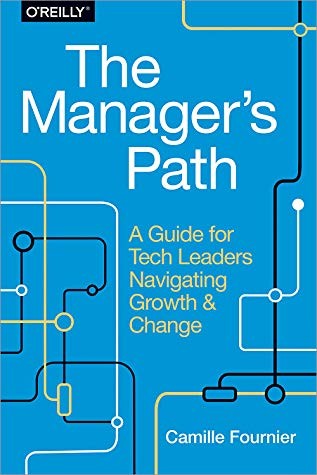
The Manager's Path
Camille Fournier
This is the engineering leadership manual I wish I'd had earlier. Fournier maps the entire journey from tech lead to CTO and doesn't sugarcoat any of it. What I valued most was the honest treatment of the messy middle. Managing managers, navigating reorgs, learning when to code and when to stop. Practical and grounded.
Find this book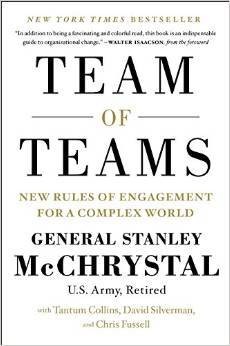
Team of Teams
General Stanley McChrystal
McChrystal shows what happens when a rigid hierarchy meets a fast-moving, unpredictable environment. It breaks. The shift from command-and-control to shared consciousness and decentralized execution is exactly what modern engineering organizations need. This book validated how I think about empowering teams over controlling them.
Find this book